Of all the experiences one goes through in life, traveling abroad is indeed a rewarding one. It opens perspectives, introduces new cultures, and offers memories that last a lifetime. However, international travel also brings with it its particular set of challenges that require reflective preparation and awareness. Whether it is your maiden overseas travel or you are a seasoned traveler, knowing what to look out for may mean the difference between a stressful and smooth, enjoyable journey.
Research Your Destination Thoroughly
Before making a foreign trip, details about the destination must be obtained. Study customs and traditions about the place so that you don’t misunderstand the people inadvertently. Knowledge of the local language, even the basic greetings, enhances the stay in that country and is a respect for the culture of that place. Also find out the weather conditions, the currency used, means of transport, and where you can call in case of an emergency.
Obtain applicable travel documents and visas.
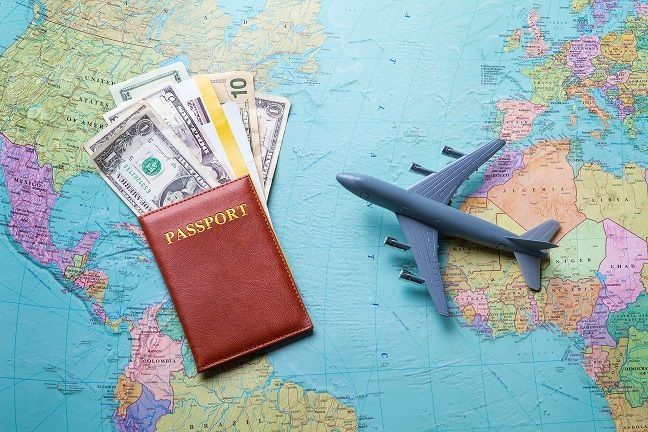
Going internationally, the most critical thing is to make sure your passport and visa are valid and updated. Most of the countries need the passport to be valid for a minimum of six months after your intended return date. Based on your citizenship and the country you visit, you may even have to apply for a visa many months in advance. It’s a good idea to make photocopies or digital copies of important documents—like your passport, visa, travel insurance, and flight tickets—in case of loss or theft.
Manage Your Finances Wisely
The key toward a successful international trip is planning the finances accordingly. Inform your bank about the dates of travel to keep it from blocking your credit or debit card for suspicious foreign transactions. Take a combination: cash, credit cards, and digital wallets. Know the local exchange rate to avoid being overcharged. Be cautious with making withdrawals from ATMs and use only reputable ones that are in safe areas.

Prioritization of Health and Safety
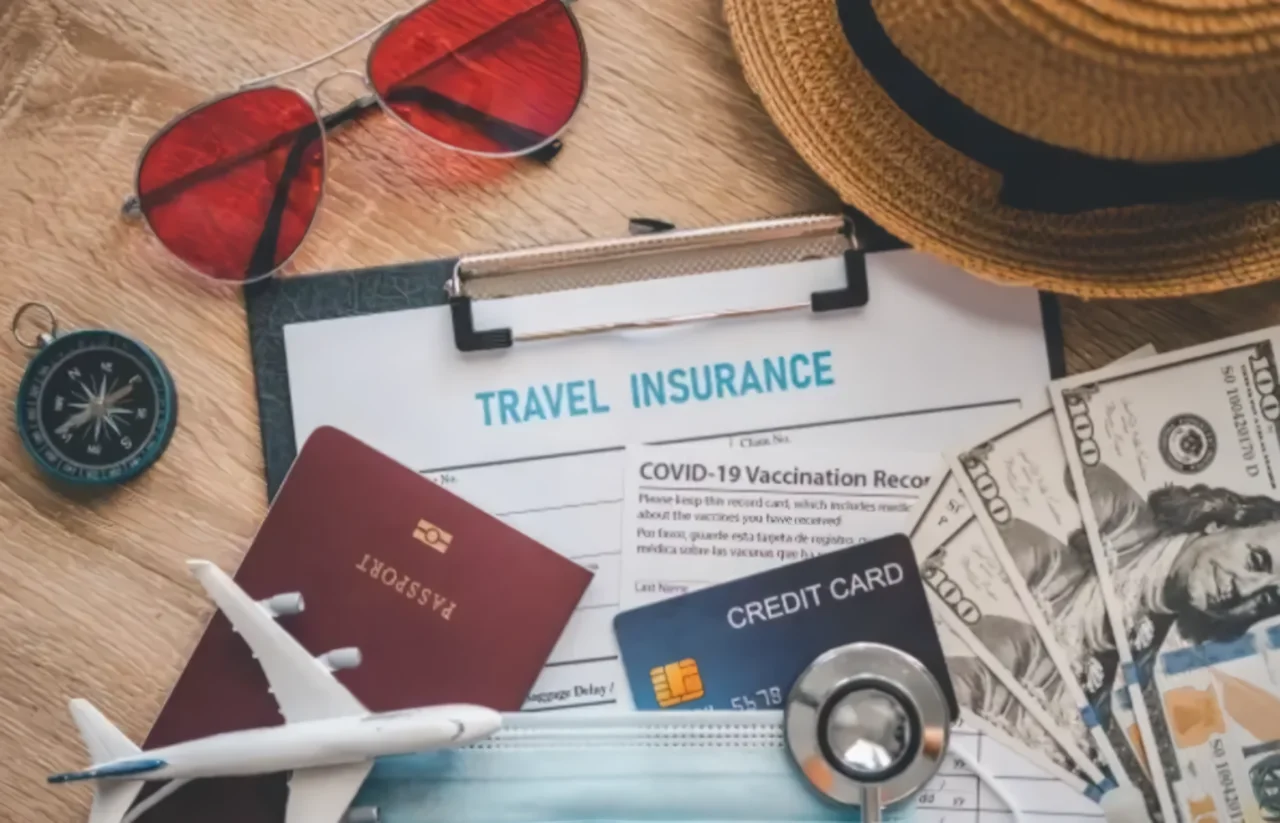
First of all, of course, come health and safety: check in advance whether vaccinations are required or recommended for your destination. Then pack a small medical kit with basic medications, painkillers, and first-aid essentials. It is also highly recommended that you get travel insurance to cover medical emergencies, trip cancellations, and lost luggage.
Be sensitive to the environment when exploring and, when possible, avoid high-crime areas. Keep valuables, including your passport and electronic devices, in a safe place. In general, situational awareness serves as the best form of protection abroad.
Respect Local Laws and Etiquette
Every country has its own laws and ways of doing things, and ignorance of them is no excuse for breaking them. Familiarize yourself with regulations relating to photography, public behavior, alcohol consumption, and dress codes. Showing respect for local traditions and cultural sensitivities will not only keep you out of legal trouble but also be a real addition to your travel experience.
Stay Connected and Informed
When traveling, staying connected is easier than ever in today’s digital age. Invest in a local SIM card or add an international roaming plan to take advantage of local maps, translation tools, and communication tools. Always stay updated on local news, weather warnings, and travel advisories about disruptions or potential safety issues.
Concluding Observations
Traveling abroad offers you the opportunity to learn, grow, and connect with the world. At the same time, successful travel requires more than just excitement; it requires preparation, awareness, and adaptability. Paying attention to documentation, health, finances, and respect for local customs will ensure a rewarding and responsible journey. Each trip becomes a new chapter in your story as you step across borders with knowledge and awareness, filled with adventure, understanding, and inspiration.