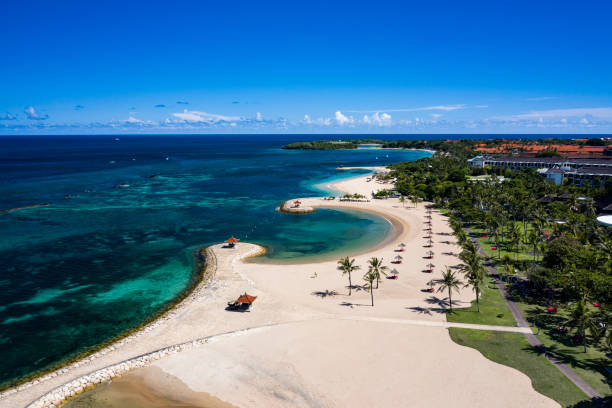
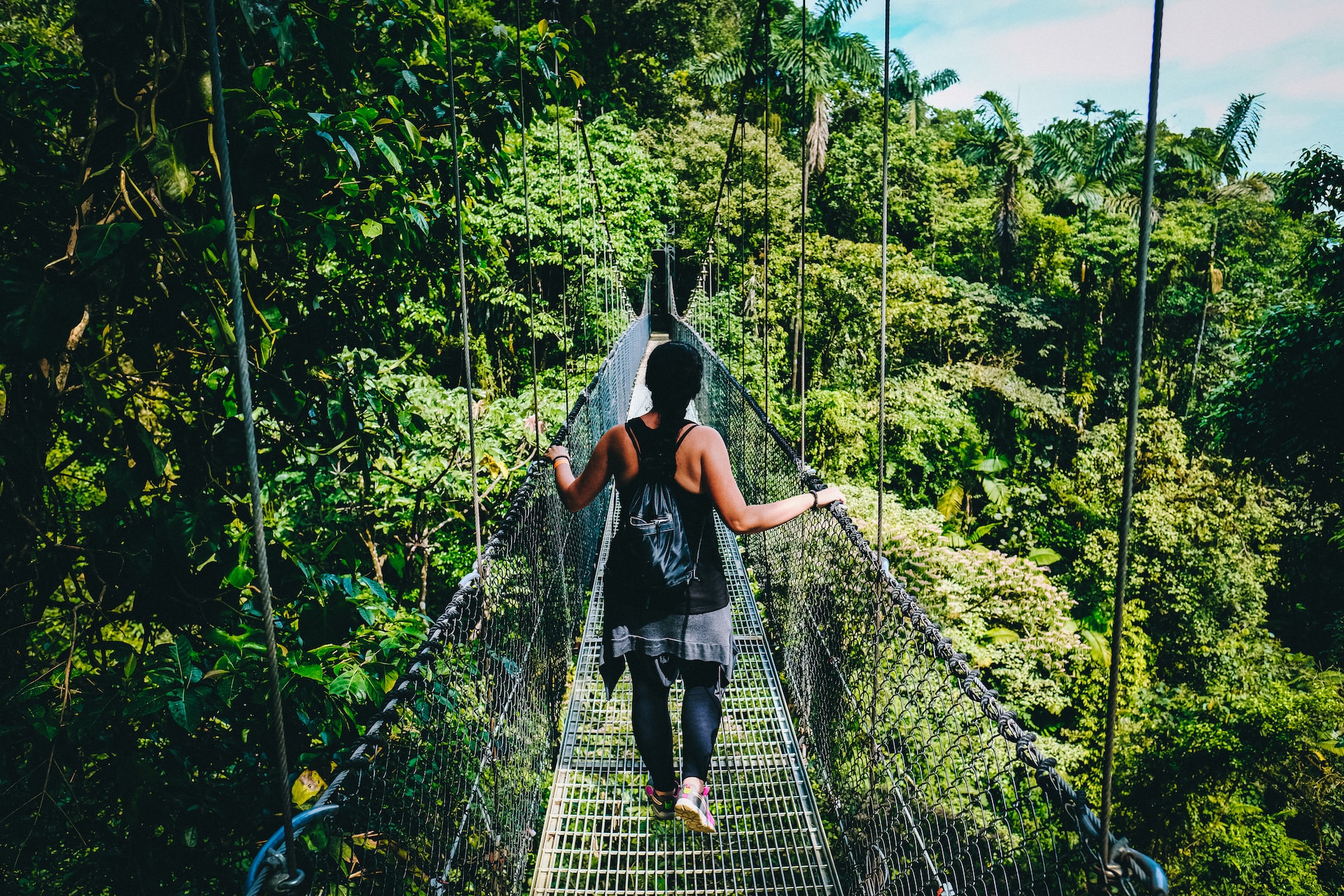
Let’s be real for a second. For the longest time, travel was a bit of a numbers game, wasn’t it? How many countries have you been to? How many cities did you see on your two-week trip? We collected passport stamps like badges of honor. But lately, something’s been changing. A different kind of question is bubbling up, a quiet thought that asks, “What did I leave behind?”
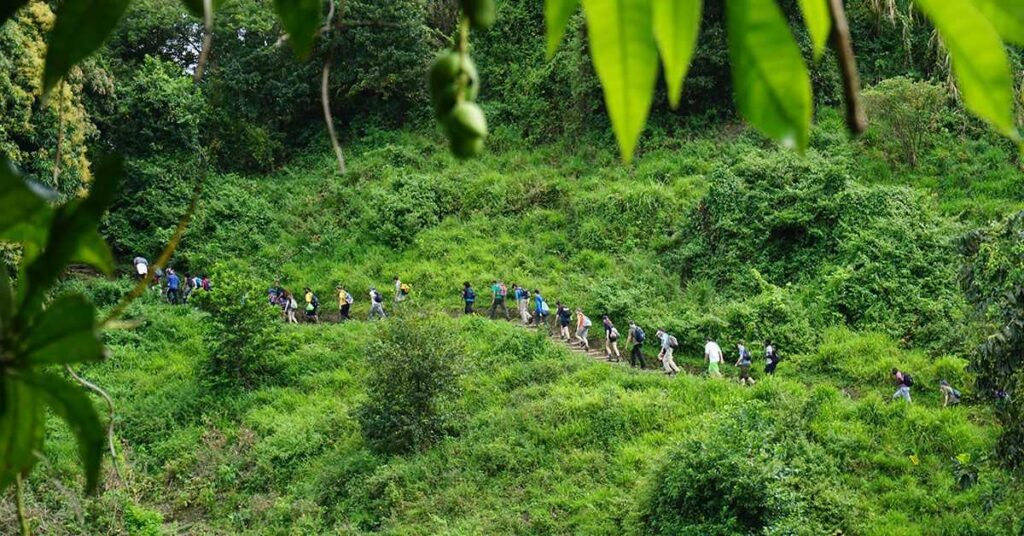
What started as a whisper has become a movement. This isn’t just a trend; it’s a fundamental shift in why we even bother to pack a bag in the first place. It’s the story of how we’re learning to be guests, not just tourists, on this planet.
1. A Renewed Awareness of Environmental Stewardship
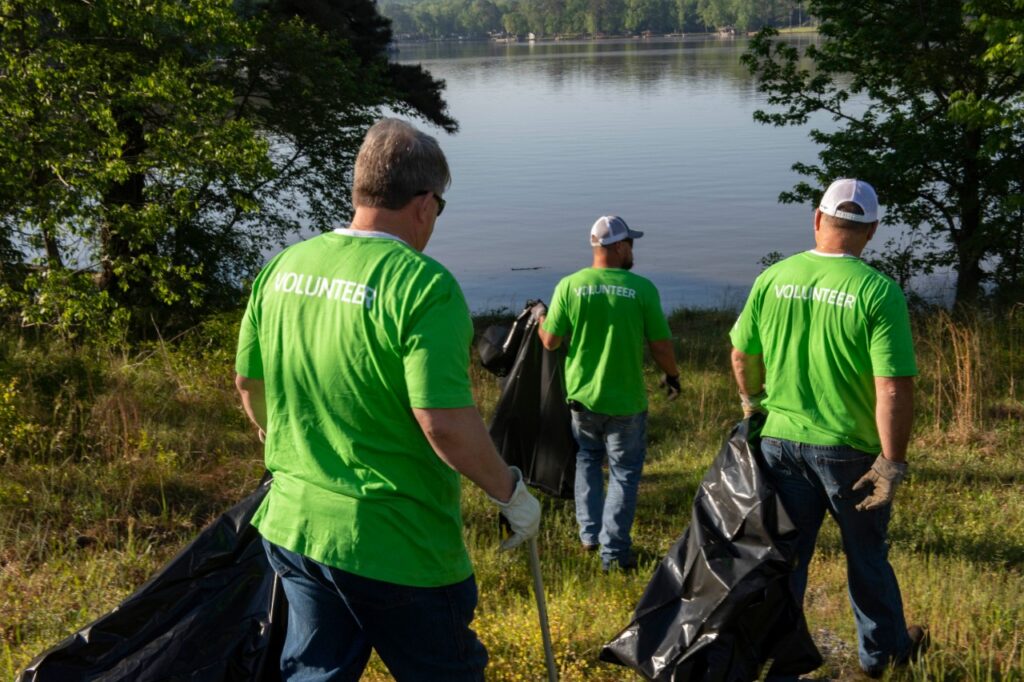
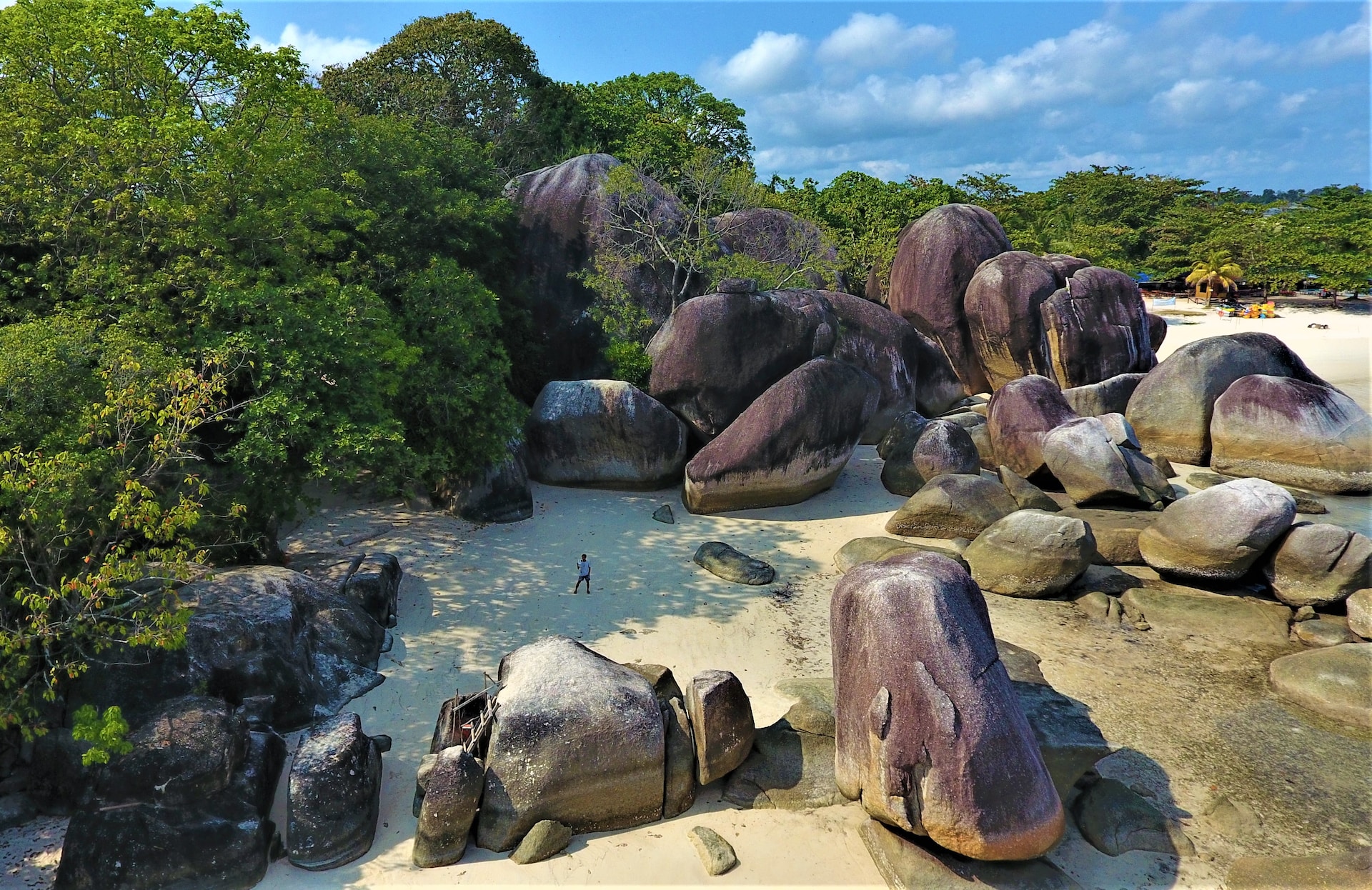
You know that feeling? You’re standing somewhere breathtaking—a pristine beach, a silent forest—and you see a plastic bottle someone left behind. There’s a little pang in your gut. That feeling is what’s driving this whole thing. We’ve stopped being able to just ignore our impact.
So, we’re starting to ask better questions. We’re picking the train over the plane, even if it takes longer. We’re choosing the small lodge that gets its power from the sun. It’s not about being perfect, but about being present. And in return, places are starting to step up, making it easier for us to travel in a way that feels good.
2. Empowering Local Communities and Preserving Cultural Identity
The best travel memories I have were never made in a hotel bar. They were made at a messy, wonderful kitchen table in a stranger’s home. This is where the magic really is. Instead of staying in faceless resorts, we’re knocking on the doors of local guesthouses.
Suddenly, your money isn’t just a number on a receipt; it’s helping send a kid to school. You’re not just eating a meal; you’re learning a secret family recipe. This is how we help keep a culture from becoming a museum piece. We become part of its living, breathing story.
3. Travel Experiences Rooted in Conservation
The new travel checklist looks a little different. It’s less about seeing things and more about doing things. It’s about rolling up your sleeves.
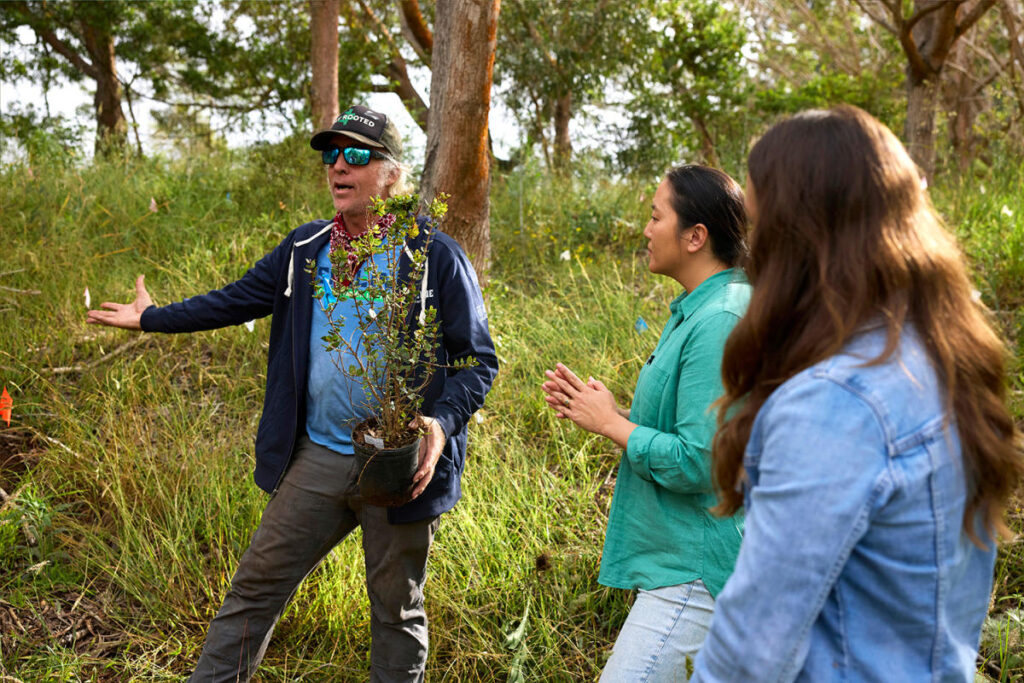
You’re not just looking at the coral reef; you’re spending a morning with a marine biologist helping to plant new fragments. You’re not just taking a photo of a rare bird; you’re helping a local guide track its population. You go home with dirt under your fingernails and a feeling deep in your bones that you were a part of something that mattered.
4. Technology Driving a Greener Travel Movement
It sounds a little weird, but the phone in your pocket might just be the best tool for this new way of traveling. Tech is finally helping us find the good guys. Apps are popping up that point you to hotels that are actually making an effort, or tour groups that treat their employees and environment with respect. It’s like having a little secret weapon in your pocket that helps you put your money where your heart is.
5. The Growing Popularity of Slow and Mindful Travel
We’re finally giving ourselves permission to slow down. The rush is over. The new luxury isn’t about cramming more in; it’s about getting more out of less. It’s about unpacking your suitcase and staying for a while.
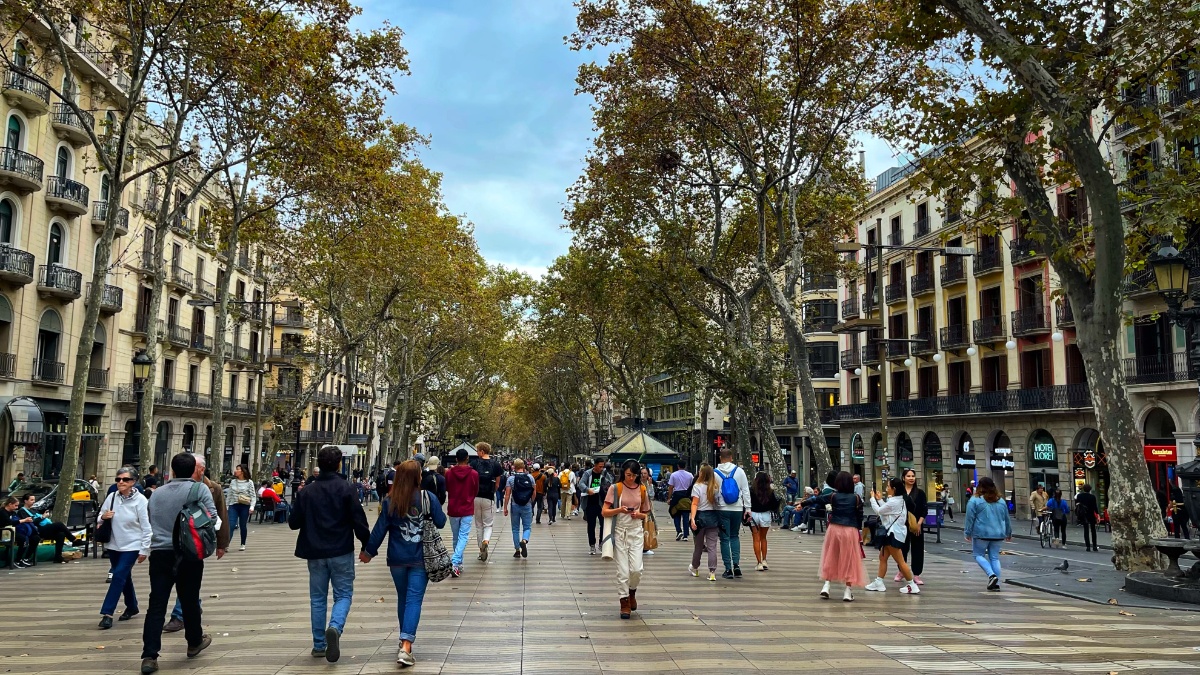
It means exploring a neighborhood on foot until you find that little coffee shop with the friendly owner who remembers your order. It’s in these unplanned, unhurried moments that we find the real soul of a place. It’s better for the planet, and honestly, it’s just a better way to live.
6. Toward a Regenerative Future in Tourism
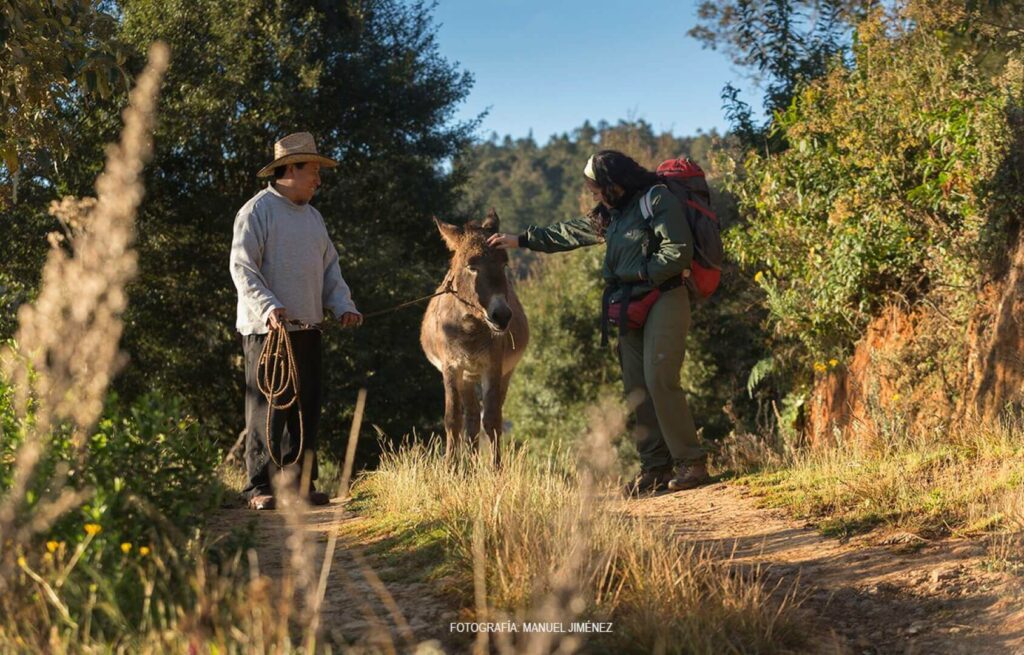
And this is where the story gets really good. The goal is getting bigger. It’s no longer enough to just “leave no trace.” The new idea is to try and leave a place even better than we found it.
Think about it: a trip where part of your fee goes directly to reforesting a nearby hillside. A hotel that isn’t just neutral, but is actively restoring the ecosystem around it. This is about turning tourism from something that takes into something that gives back. It’s a powerful, hopeful shift.
Conclusion
Travel is finding its soul again. It’s becoming less about us and more about “we.” We’re remembering that a journey is a chance to connect, to respect, and to contribute. It’s about leaving the world a little bit brighter than we found it. And what’s a better reason to travel than that?