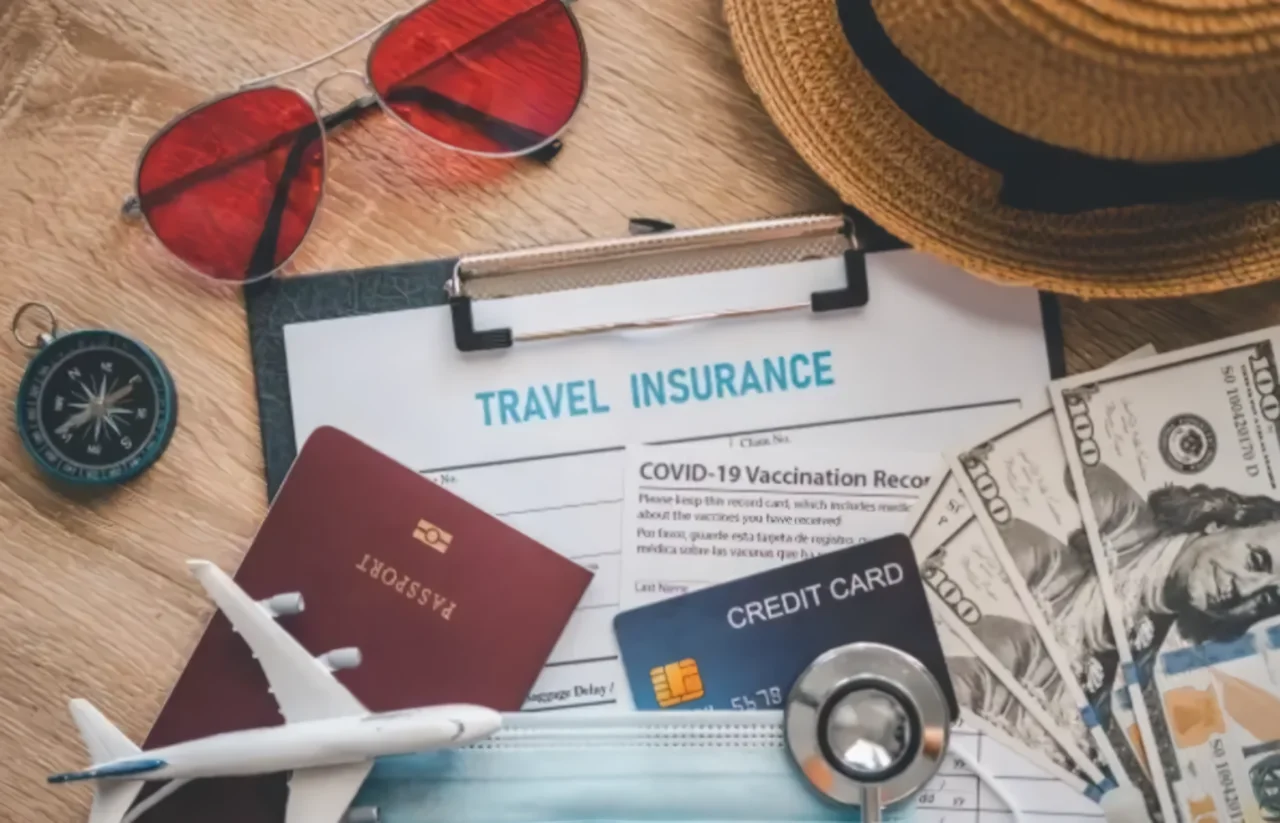
International travel can be exciting, especially because of the exploration of new cultures, trying new foods, and seeing new landscapes. While international travel opens up opportunities for adventure, it also exposes travelers to some risks, especially those having to do with scams and fraud. Many dishonest people take advantage of the unfamiliarity and trust of tourists, who often become their primary targets. For this reason, being aware of common modes of fraud and how to avoid them becomes very important in having a safe and enjoyable journey.
1. Currency Exchange and ATM Scams
Among the very common frauds which travelers fall into, one is about money: many foreign currency exchange booths boast good rates but can actually provide counterfeit or shortchanged bills. Always change your money at official counters, banks, or ATMs found inside respectable buildings. Be very careful with drawing cash abroad since thieves can attach devices to ATMs called ATM skimmers, which steal card information. Always cover the keypad when you type in your PIN, and avoid machines that may look tampered with or isolated from public areas.
2. Taxi and Transportation Fraud
Other popular tourist destination scams involve transportation. Some taxi drivers overcharge by refusing to use the meter, taking longer routes, or claiming that your chosen hotel is “closed” in order to redirect you to a partner business for commission. To avoid this, always agree to the estimated fare in advance, use official ride-hailing apps, or ask your hotel to book an honest driver. Public transportation, too, should be used with some care-watch your belongings and beware of pickpockets in a crowded bus or train.
3. Bogus Accommodation Listings and Tour Packages
But with more and more online booking websites, the scams multiply too. Scammers create attractive ads, using stolen photos of low-price accommodations or tours that don’t exist. Protect yourself by making your booking through reputable websites that verify reviews with secure payments. Avoid paying money into personal accounts or making full payments before confirmation of authenticity. When booking tours, confirm their official license and customer feedback in advance.

4. Overly Friendly Strangers and “Helpers”
While meeting locals can be part of the fun of travel, some scammers use friendliness as a ploy. One classic scam you’re likely to encounter involves strangers making an unsolicited offer to help you-such as guiding you to an attraction, lugging your bags, or recommending a shop-before demanding money. In its most elaborate incarnation, thieves pose as cops, ask that you take out your wallet and/or passport to examine, and then swindle you. Always examine badges, keep valuables concealed in public, and be courteous but firm if strangers approach you.
5. Shopping and Credit Card Scams
Inflated prices or fake goods may well be sold to tourists in souvenir markets or shops. Vendors sometimes substitute items purchased with cheaper ones after one has paid for them, and sometimes inform you of a “pricing error” after you have approved the sale of an item. Always check items carefully before purchase and retain receipts. When using credit cards, always make sure transactions are done in your presence in order to avoid card cloning or unauthorized charges.
6. Digital and Online Scams
Scammers may send fake emails or messages, perceived to be from airlines, hotels, or travel agencies, which will eventually ask for personal or payment information. Always verify the URLs and do not click on questionable links. One can use a VPN and secure Wi-Fi connections in protecting sensitive data abroad.
Final Points
Travel should be associated with exploration and enjoyment, not fear or anxiety. The risk of falling prey to fraud is drastically reduced if you’re aware of possible scams and take care. Trust your instincts, be well-informed, and remember-if it sounds too good to be true, it probably is. Vigilant awareness will ensure that your journey abroad remains memorable for all right reasons.